


Sumnima Singh — November 12, 2026
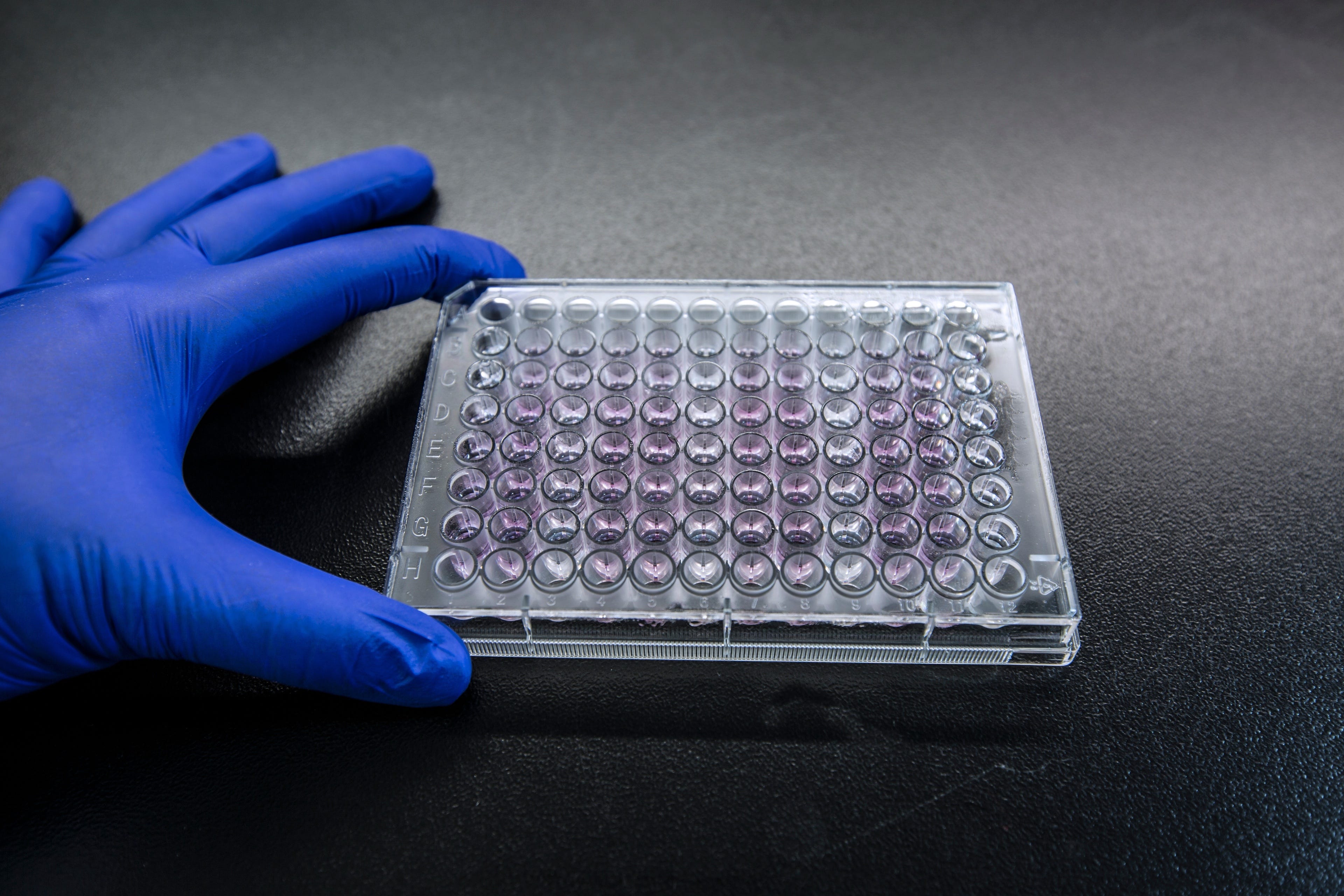
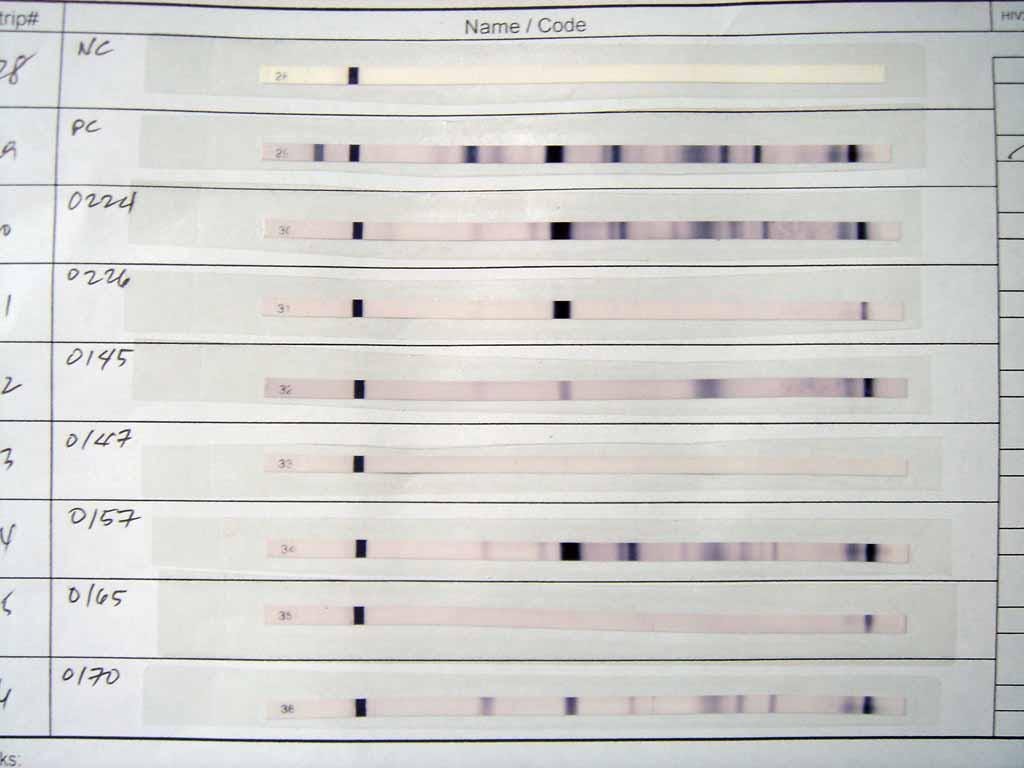
Things were not going well for me in the lab. I had just started my PhD, studying how our immune system evolved to protect us against infections. To move this project forward, I needed to detect certain antibodies in blood samples. That required an experiment using western blotting, a laboratory technique for identifying specific proteins, which typically takes about a week. But I had never worked in a lab before, and western blotting is famously finicky. I was lucky to have a strong mentor and detailed protocols to follow. Still, month after month, the experiment failed.
Eventually, almost in passing, a colleague with years of experience in western blotting suggested that the culprit might be a degraded reagent: the running buffer. In western blotting, this key chemical solution carries the electric current that separates proteins in a gel so that they can be detected. Sure enough, when I prepared a fresh batch of the buffer and ran the two experiments side by side, the fresh buffer produced a clear protein band, while the old buffer produced the same vague smear I had been seeing for months.
Nothing in the protocol had pointed there, because protocols assume reagents work. But biology experiments do not always go as expected. A single experiment usually involves dozens of reagents, multiple types of equipment, and numerous steps spanning days, weeks, or even months. So when something goes wrong, the cause could be either a single faulty reagent or a combination of factors, making troubleshooting difficult. My colleague’s years of experience, however, enabled them to recognize the pattern and pinpoint the likely problem. Now, after more than a decade of wet-lab research myself, I can recognize that smear and suspect a degraded reagent pretty quickly.

The importance of human experience makes me skeptical that AI-generated advice could readily enable novices, people with little biological expertise, to perform complex, dangerous biological work. Yet much of current AI-biosecurity research, which examines how AI could increase biological capabilities and the risks of their misuse, has focused on novices. In this essay, I argue that experienced biologists, who already possess the practical skills and scientific judgment to act on AI advice, may pose a greater near-term risk.
Assessing the extent of this risk requires measuring uplift, the improvement in performance that an individual or team achieves with AI assistance compared with a similar individual or team performing the same tasks without AI assistance. Remarkably, existing evaluations have not examined this effect among experts performing hands-on laboratory experimentation. Below, I review the available evidence, examine how expertise may influence AI-assisted performance, and propose how expert wet-lab trials could inform biosecurity safeguards.
What Existing Evaluations of AI in Biology Actually Measure
Uplift would require different AI capabilities at different stages of research. To assess what existing evaluations tell us about uplift, we need to understand the stages of biological research they examine. Consider vaccine development. Researchers first study how a pathogen causes disease and explore ways to protect against it. They then design a vaccine candidate, test it in cells and animals, conduct clinical trials, and eventually bring it into real-world use. Each stage in this pipeline requires different capabilities, takes years to accomplish, and success in one does not guarantee success in the next. Along the way, researchers gather information, develop experimental plans, explore solutions using computational tools, and test their ideas in the laboratory. So far, current evaluations have tested different aspects of biological research, but their findings must be interpreted according to the capabilities they actually measure.
Improved information access could help to fill in lacking theoretical knowledge. In 2024, OpenAI published a study examining whether GPT-4 improved performance on five written research tasks covering different stages of creating a hypothetical biological threat. The study involved fifty biology PhDs with professional wet-lab experience and fifty students who had taken at least one university-level biology course. Within each group, half were randomly assigned to use conventional internet resources, including scientific literature and search engines, while the other half could also use GPT-4. Generative AI tools, including AI-powered search features, were prohibited in the internet-only group. The study found that although AI-assisted participants scored slightly higher in accuracy and completeness, the benefit from GPT-4 could not be confirmed.
AI could assist with experimental planning, but the extent of uplift is unclear. In 2025, Anthropic’s Claude 4 system card reported a small trial in which groups of eight to ten participants, whose biological expertise was not specified, drafted mock plans for acquiring bioweapons. Some used only internet resources, while others also had access to Claude with its safety restrictions removed. AI assistance appeared to improve planning, although all plans contained critical errors that could prevent success. In a 2026 evaluation of Claude Mythos Preview, twelve AI-assisted PhD biologists produced better written instructions for a complex virology procedure than six PhD biologists using only the internet, although every protocol still contained critical errors. In a separate trial, ten PhD biologists used Claude Mythos Preview to develop written scenarios involving catastrophic biological threats. None of their plans was judged both substantially improved by AI and likely to succeed. Overall, although these small trials suggest that AI may improve written planning, limited sample sizes and persistent errors leave uncertainty about whether these improvements translate into workable protocols.
LLMs may significantly uplift novices on computer-based (in silico) problem solving. The Zhang et al. study, published in 2026, tested 57 novice participants across eight in silico benchmarks, or standardized computer-based tasks. AI-assisted participants had an estimated 4.16 times the odds of answering correctly, compared with participants using internet-only tools. AI-assisted novices even outperformed experts on three out of four benchmarks where results from experts working without AI were available. However, on a complex virology task where participants received the research paper addressing the problem, AI provided no clear advantage. The authors suggest that supplying the relevant paper may have reduced the additional benefit of AI-assisted information retrieval.
Together, these studies provide mixed evidence of AI uplift in written planning and problem solving among experts and novices. Some reported improvements remain uncertain, while others are difficult to interpret because of small sample sizes. Even where improvements were observed, it remains unclear whether they translate into successful laboratory experiments.
AI assistance in wet-lab execution has not been well examined. In fact, very few studies have measured AI uplift in laboratory settings involving actual biological materials, reagents, and equipment. The Hong et al. study, conducted in 2025 by Active Site, where I later designed a proposed expert-uplift trial, is the largest published randomized controlled trial to date. It assigned 153 novices to AI-assisted or internet-only conditions for eight weeks of laboratory work. The study found no clear difference between the two groups’ ability to complete the full laboratory workflow. However, even with this relatively large sample size, so few participants succeeded that the researchers could not reliably determine whether AI improved overall performance. AI-assisted participants nevertheless progressed further through several intermediate steps, suggesting modest uplift.
Also in 2025, a smaller Los Alamos pilot tested ten novices on a multistage laboratory task, but it encountered the opposite problem. Participants without AI assistance could already complete much of the tasks, leaving little room to detect an improvement. That same year, Anthropic reported a preliminary trial with eight novice participants performing basic laboratory protocols. It found no evidence of uplift, although both groups performed better than expected. Anthropic suggested that some practical laboratory skills might be less difficult for novices to acquire than previously assumed.
Together, the three wet-lab trials—Hong, Los Alamos, and Anthropic—leave substantial uncertainty about uplift. One trial’s task was too difficult for most participants to complete; another’s task was too easy, making it hard to distinguish performance between groups; and the third’s sample size was too small to draw reliable conclusions. More importantly, published wet-lab trials have focused on novices, while studies involving experienced biologists have examined only written or computer-based tasks. As a 2026 review of AI-biosecurity research emphasizes, novice capability acquisition and expert capability acceleration are distinct risks that require separate evaluations.
Why Expertise Could Amplify the Advantage of AI Assistance
The need to evaluate novices and experts separately becomes clearer when we consider two explanations about what makes experimental biology difficult.
AI may not be able to replace the tacit knowledge earned through experience. One school of thought emphasizes tacit knowledge: the practical skills and judgment a biologist acquires through hands-on experience, which cannot always be conveyed through written instructions. Laboratory training usually follows an apprenticeship model, where researchers, guided by mentors, learn subtle techniques such as telling stressed cells from healthy ones, handling delicate tissue samples, or distinguishing genuine microscopy signals from artifacts. Such knowledge is developed through years of individual practice and team collaborations, and it cannot be readily replaced by AI-generated instructions, potentially limiting how much AI helps inexperienced researchers.
Interpreting results may be more difficult than learning experimental techniques. A counterargument suggests that basic experimental biology techniques can be learned relatively quickly, while the greater challenge lies in the unpredictability of biological systems. Experimental outcomes can vary with biological conditions, depend on poorly understood interactions, and produce unexpected failures even when established protocols are followed. In my experience, both perspectives hold true. I have watched new researchers master basic techniques within weeks; yet developing the judgment to interpret unforeseen results and troubleshoot failures can take years.
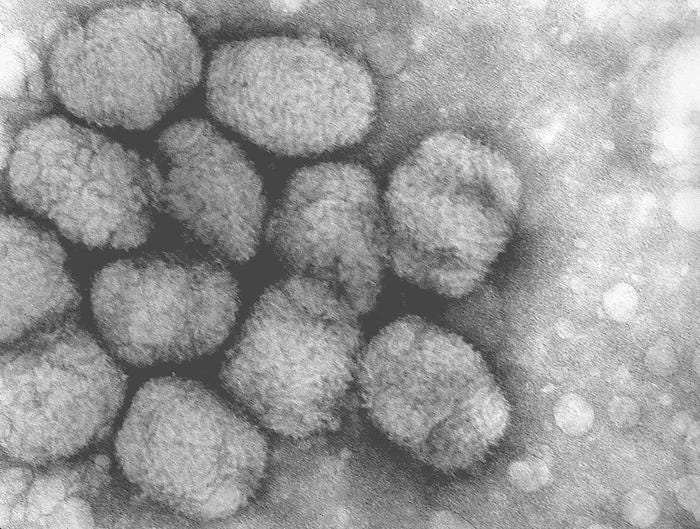
That judgment is also highly specialized. A 2024 Nuclear Threat Initiative report describes how virologists at the Soviet bioweapons facility Vector took almost five years to develop a specialized smallpox production process, despite receiving direct training from weapons scientists. Although advances in biotechnology may have shortened that learning curve for today’s scientists, the example shows how even experienced scientists can struggle with tasks that fall outside their expertise.
AI models may have seen little data on practical work, particularly failed experiments. Furthermore, scientific publications tend to emphasize successful experiments, leaving many failed attempts, subtle observations, and practical adjustments undocumented. Records from historical bioweapons programs are even less accessible. As a result, much of the practical judgment required for complex laboratory work may be poorly represented in chatbot training data. Conventional chatbots also lack direct experience with physical experiments, although this could change as AI becomes integrated with laboratory automation and gains access to experimental feedback.
But AI need not possess all this experience to assist someone who does. Even if AI models cannot adequately guide novices in experimental work, they could help experts tackle unfamiliar problems by suggesting explanations, identifying relevant information, or proposing alternative approaches. Experienced biologists may be better equipped to evaluate these suggestions and recognize errors, while novices might accept misleading advice or spend considerable resources to verify it, as illustrated by the “red-button problem” discovered during preliminary tests for the Los Alamos laboratory pilot, in which a model confidently hallucinated a lab-instrument feature that did not exist. Novices may also need practical demonstrations that written advice cannot provide, as seen in the Hong et al. study, where novice participants rated YouTube as more helpful than any individual frontier AI model.
Experience may also influence perseverance. Scientists accustomed to experimental setbacks may be better able to use AI suggestions to identify problems, adjust their approach, and persist through failures. Given the smaller knowledge gap they must close, experienced biologists may complete complex biological tasks with AI assistance sooner than novices. That is why I expect a well-designed wet-lab trial with expert participants to find measurable uplift, particularly when experiments encounter unexpected problems and researchers must decide how to proceed.
Why Expert Uplift Could Change Biological Risk
The added advantage AI may give experienced biologists becomes particularly important when we consider how biological risk is distributed across different levels of expertise. A 2025 GovAI analysis offers a useful framework. It estimates expected deaths from lone-actor bioterrorism by considering these factors: the number of potential actors with sufficient resources, their likelihood of producing a dangerous pathogen in a laboratory, their ability to overcome real-world obstacles (such as obtaining materials and avoiding detection), their willingness to pursue an attack, the probability that a successful release would cause an epidemic, and finally, the resulting death toll. Although designed to describe bioterrorism impacts caused by individuals and very small independent groups, this framework could, with different assumptions, inform assessments of larger terrorist organizations or state programs.
Experts may be 20-200 times more likely than others to succeed in acts of bioterrorism. Under the model’s assumptions, wet-lab biology PhDs, despite representing a small fraction of potential actors, account for a disproportionate share of baseline risk. This higher risk is attributed to their estimated higher laboratory success rate (20%), compared with 1% for people with bachelor’s degrees in science, technology, engineering, or mathematics (STEM) and 0.1% for others; alongside higher operational success rates and willingness to attempt an attack.
But how much expertise is enough for a biologist—or a potential bioterrorist—to benefit substantially from AI? Someone with a biology degree and a year of laboratory experience may already be capable of distinguishing unreliable AI advice from useful suggestions. If AI substantially improves the capabilities of these actors, the implications could be even more significant, because such actors are much more numerous than highly specialized PhDs.
AI assistance could widen the gap between the capabilities of experts and novices. The level of experience at which AI assistance proves to be decisive may also depend on the difficulty of the task. As AI improves, novices might become capable of relatively straightforward biology lab work while continuing to struggle with more demanding tasks, such as developing novel pathogens with unusually dangerous properties. Experienced biologists, however, may be able to use the same AI systems for these advanced tasks sooner. I suspect this advantage could persist across a range of biological tasks, with the gap between experts and novices increasing as tasks become more complex.
Putting Expert Uplift to the Test
To determine whether AI improves the laboratory performance of experienced biologists, we need trials that reflect real experimental conditions while maintaining biological safety and scientific rigor. I think this is achievable by addressing four key questions about task design, participant selection, outcome measurement, and causal inference.
First, can benign experiments tell us anything about biological risk? Many aspects of complex biological research, including interpreting unexpected results, troubleshooting failures, and choosing between competing approaches, can be studied using innocuous biological systems. Trial tasks should therefore be designed to reflect real experimental constraints and allow multiple plausible routes to success. Because benign experiments cannot capture every aspect of risky biological work, each trial must clearly define which capabilities are being tested, how far the findings can be generalized, and how the study will avoid generating or revealing information that could facilitate biological misuse.
Second, how do we recruit experts and choose the right tasks? Once suitable experimental systems are identified, participants should be recruited across different levels of practical laboratory experience and assigned tasks of varying difficulty, both within and outside their specialties. This would allow comparisons of uplift across levels of expertise and task complexity. Pilot studies are essential here to calibrate task difficulty, avoid experiments where nearly everyone succeeds or fails, and estimate the sample size needed to detect meaningful differences between the groups.
Third, what should we measure? Once participants and tasks are selected, trials should define outcomes that capture meaningful improvements in laboratory performance. The primary outcome should be whether participants achieve the intended experimental result, verified through predefined laboratory tests. Because simple binary success-or-failure measures can miss partial progress, trials should also track completed experimental stages and quantitative results, such as the amount of material produced or the proportion of cells that survive, where appropriate. Secondary outcomes could include time taken, number of attempts, and independent assessments of participants’ scientific decisions by reviewers unaware of which group received AI assistance. These assessments could examine how participants interpret unexpected results and troubleshoot failures.
Fourth, how do we know any improvement in performance comes from AI? To distinguish the effects of AI assistance from differences in participants’ existing abilities, participants should be randomly assigned to AI-assisted or control groups, ensuring comparable access to literature, computational tools, laboratory resources, and time. Model versions and experimental conditions should remain fixed, while participants decide how to use the assistance available to them. Trials should also record model refusals, participants’ responses, and any resulting delays or disruptions to experimental progress. Finally, success criteria should be defined before the trial, and everyone should be included in the final comparison, even those who choose not to use AI, to avoid overestimating its benefits. Together, these measures would strengthen confidence that any observed differences in performance result from AI access.
These methodological demands, combined with the time, cost, and logistical complexity of laboratory research, may explain why expert wet-lab trials remain absent. Unlike benchmarks, which can be run on a computer against new models within days, wet-lab studies require facilities, equipment, reagents, and compensation for experienced scientists who may spend months on experimental work. Depending on their design, such trials may also require lengthy ethics review and institutional biosafety approvals. And, by the time any findings are published, the frontier model being evaluated may already have been superseded. Nevertheless, the Hong et al. trial has demonstrated that, with dedicated funding, laboratory infrastructure, and research support, large wet-lab studies are feasible.
Implications for AI-Biosecurity
The value of investing in expert wet-lab trials lies in their potential to inform AI-biosecurity safeguards. Safety frameworks developed by OpenAI, Anthropic, Google DeepMind, Meta, and Microsoft already address biological misuse risks, with some explicitly considering the capabilities of experienced scientists. Measuring how AI affects their actual laboratory performance could improve pre-deployment biological risk assessments and help developers and policymakers determine when stronger safeguards are warranted. To generate this evidence, independent biosecurity researchers should conduct and publish such trials, with support from AI developers, government funders, and research institutions. Finding substantial uplift could justify stronger safeguards, while finding little or no meaningful improvement from AI access could be equally valuable, forestalling unnecessary restrictions on beneficial biological research.
I still wonder whether a frontier model could have identified the problem with my western blotting reagent, and whether, as a novice, I would have recognized the value of the AI’s advice. With the experience I have now, I suspect I could use AI assistance to resolve the problem much more quickly. If so, others with similar expertise might benefit as well, suggesting measurable uplift with implications for biological risk. Until we test experienced scientists, we won’t know the extent of that uplift—and safeguards will rest on assumptions.
See things differently? AI Frontiers welcomes expert insights, thoughtful critiques, and fresh perspectives. Send us your pitch.
Sumnima Singh, MBBS (MD), PhD is a physician-scientist with nearly two decades of experience in clinical medicine, immunology, infectious disease and AI-biosecurity research. She currently evaluates the biological risks of advanced AI systems as the GenAI Biosecurity Expert at Alice. She earned her medical degree from Fatima Jinnah Medical University, her doctorate in immunology from the Instituto Gulbenkian de Ciência, and conducted postdoctoral research at Harvard Medical School and the Icahn School of Medicine at Mount Sinai. Her work has appeared in Nature, Cell, and the Bulletin of the Atomic Scientists.